The Union Station
Rust, rails, and the quiet fury of people who refuse to be managed.

The Union Station is a sprawling industrial transit hub on the planet Edgewater, serving as the operational heart of The Union—the labor faction that pushes back against the Monarch's corporate grip on the Halcyon colony. Tucked into the planet's underbelly of rusted rail lines, humming generators, and catwalk-suspended walkways, it is where dockworkers, machinists, and organizers gather to coordinate their resistance.
For the player, the Union Station functions as a critical mid-early-game quest node: it is where the labor storyline deepens, where the player can earn the trust of the working class, and where the broader conflict between corporate authority and collective action comes into sharp, greasy-fingered focus.
- Type
- Transit hub / Faction stronghold
- Planet
- Edgewater
- Controlling faction
- The Union
- Aesthetic
- Industrial, retro-futuristic rail yard
- Game role
- Quest hub, faction base, early-mid story node
Lore & Background
Before the Monarch consolidated its hold over the Halcyon's colony planets, Edgewater's rail network was a shared artery—workers, merchants, and settlers all moving through the same stations. When the Monarch began siphoning resources and dictating labor terms, the workers banded together and carved out the Union Station as their own. The name is both literal (a station where multiple lines converge) and symbolic (a place where disparate grievances unite).
The station's architecture reflects its working-class origins: exposed piping, hand-painted signage, jury-rigged lighting strung between gantries, and the constant low thrum of ventilation shafts. It is not a polished corporate facility; it is a place built by the people who use it, and it shows. Graffiti, workshop benches, and the smell of machine oil are as much part of the identity as the rails themselves.
In the broader narrative of The Outer Worlds, the Union Station represents the game's central thematic tension: the choice between individual ambition and collective solidarity, between the Monarch's tidy hierarchy and the messy, loud, imperfect democracy of people deciding their own fate. The player's interactions here ripple outward, shaping which factions gain ground on subsequent planets.
In Their Own Story
The air in the Union Station tastes like copper and old coffee. You duck under a low-hanging cable, past a row of workbenches where a woman with a grease-stained sleeve is recalibrating a pressure valve, and the sound of the rails swells—distant, rhythmic, like a slow heartbeat. Someone's radio crackles a half-finished song. A kid tests the jump on a loose grate and lands with a metallic clang that echoes down the catwalk. You can see, far below, the tracks curving into the dark, and you understand: this place doesn't belong to the Monarch. It belongs to the hands that keep it running.
Reader's Guide
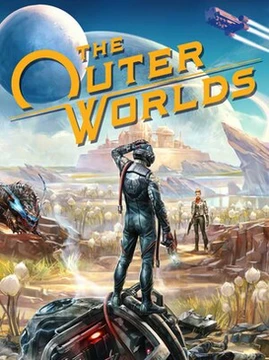
The Union Station reads as a retro-industrial rail yard: exposed steel girders, amber work-lamps, hissing steam vents, and the perpetual clatter of maintenance carts on overhead tracks. The palette is rust-orange, gunmetal grey, and the warm glow of practical lighting against deep shadow.
Major points of interest include the Union's organizing office (quest hub for labor-faction missions), a small supply kiosk run by a station attendant, and a workshop area where the player can access crafting or repair interactions. Hidden caches are tucked behind maintenance panels and in the lower rail-access tunnels—look for slightly ajar lockers and unmarked crates near the loading bays.
The Union controls the space, and their disposition toward the player is shaped by earlier choices. The Monarch's corporate security may push back if you've antagonized them, so expect a tense, low-level confrontation rather than open combat.
Traversal quirks: several catwalk sections require a small jump or a grapple-assisted climb. Steam vents in the lower tunnels can briefly obscure vision and deal minor heat damage if you linger. There is no fast-travel pad here; the station is reached on foot from the Edgewater settlement or by the rail cart if the relevant quest is active.
Did You Know?
- The Union Station's design deliberately evokes mid-20th-century American rail yards filtered through a retro-futuristic lens—think 1950s industrialism meets sci-fi generation-ship aesthetics.
- The labor-faction storyline that originates or deepens here sets up the player's moral positioning for the entire rest of the game, affecting which settlements are friendly or hostile on later planets.
- The station's ambient sound design layers multiple mechanical rhythms—pistons, rail clacks, ventilation hums—creating a constant low-frequency 'industrial heartbeat' that distinguishes it from the quieter, more open area
- The Union's visual identity in and around the station relies heavily on hand-painted signage and stenciled markings rather than the clean digital displays the Monarch uses, reinforcing the thematic contrast between grass
More in Planets & Locations
Elsewhere in the The Outer Worlds universe
Spotted an error? Know more?
This is a living reference — every entry is fact-audited, and reader corrections feed straight into our audit queue. Suggest an edit · See this site's audit record