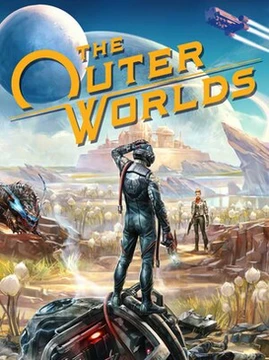
The Outpost
A waystation on the edge of the map, where survival is a negotiation and every choice has a price.

The Outpost is a mid-game quest in The Outer Worlds that sends the player away from the Halcyon to a small, struggling settlement on the edge of the Halo system. What begins as a routine check-in on a remote waystation quickly spirals into a moral dilemma about who gets to survive in a colony where resources are scarce and the Union's grip is tightening.
The quest serves as a microcosm of the game's central tension: the player is a former prisoner with a blank slate, yet is expected to make decisions that shape the fate of ordinary settlers. The Outpost's residents are not grand villains or heroes—they are people trying to keep the lights on, the water flowing, and the raiders at bay while the bigger powers in the Halo system play their games above them.
- Type
- Side quest
- Setting
- Halo system, The Outer Worlds
- Game
- The Outer Worlds (2019)
- Developer
- Obsidian Entertainment
- Player role
- Amnesiac former prisoner aboard the Halcyon
- Tone
- Moral dilemma / settlement conflict
Lore & Background
The Halo system is a colony of Mars, a place where the Union's corporate machinery grinds against the stubborn will of people who just want to grow food, fix engines, and not be told how to live. Outposts like the one at the heart of this quest are the connective tissue of that colony—small clusters of prefabricated hab-modules, hydroponic bays, and jury-rigged power generators strung together by necessity and stubbornness. They exist in the gaps between the Union's grand infrastructure, serving as resupply points, repair stops, and the last stop before the open void.
The people who live at an outpost are a mixed bag: ex-Union workers who washed ashore, independent traders who prefer the quiet, and families who simply wanted a fresh start under a different sky. They are not powerful. They have no army, no corporate backing, no seat at the Monarch's table. What they have is each other, a working water reclaimer, and the knowledge that if they stop helping one another, the void wins.
The quest's emotional weight comes from the fact that the player, for all their combat options and persuasion tricks, is just another person walking into a room where someone has to make a hard call. The outpost's residents have already made compromises. The Union has already set terms. The player's intervention—whether it's a shot of medicine, a repaired generator, or a quiet word of support—matters not because it changes the macro-politics of the Halo system, but because it tells these people they are not invisible.
In Their Own Story
The shuttle drops you on a landing pad that's more rust than alloy, the thrusters kicking up a fine red dust that smells of iron and old grease. The outpost stretches out in a low sprawl of corrugated panels and blinking status lights, the whole thing hunched against the wind like a dog trying to sleep through a storm. A woman with a wrench tucked behind her ear meets you at the airlock, her boots leaving dark prints on the deck plating.
"You're the one they sent, then," she says. Not a question. She doesn't look at your face. She looks at your hands, as if checking whether they're steady enough to do what needs doing.
Inside, the hum of the life-support is the loudest sound. A kid is asleep in a corner, wrapped in a thermal blanket that's seen better decades. The hydroponics bay is half-dead, the nutrient solution turning a sickly yellow. And on the comms panel, a message from the Union is still blinking, patient as a countdown. The woman sets a cup of reconstituted coffee in front of you without being asked.
"So," she says, leaning against the console. "What are we going to do about all this?"
Reader's Guide
Quest Giver: A representative of the outpost (a local leader or settler) contacts the player, typically after the player has established a foothold in the Halo system. The request is for assistance—whether that's supplies, repairs, or simply a show of force to deter a threat.
Objective: Travel to the outpost, assess the situation, and choose how to resolve the conflict or crisis affecting the settlement's residents.
Key Decision Points: The quest presents the player with a choice about how to help (or not help) the outpost. Options typically include providing material aid, using combat to resolve a threat, or negotiating a compromise. The player's dialogue choices and faction standing can influence which options are available and how the residents respond.
Outcomes: Helping the outpost generally earns the gratitude of its residents and may unlock further interactions or small rewards. Choosing a more aggressive or self-serving path may yield better immediate loot or favor with a corporate faction but can sour the relationship with the settlement. In some playthroughs, the outpost's fate ripples into later encounters, as the settlers remember who showed up and who walked away.
Mutual Exclusivity / Time Sensitivity: The Outpost is not strictly time-sensitive, but the player's broader faction alignment (Union, Monarch, Free Traders, or independent) can shift the tone of the interaction and which resolution paths feel natural. There is no hard lock-out, but the player's reputation and prior choices in the system will shape the dialogue tree available here.
Did You Know?
- The Halo system in The Outer Worlds is named as a colony of Mars, making the entire game take place in a human-settled region orbiting the red planet rather than in deep space.
- The player character begins the game with amnesia aboard the Halcyon, meaning every quest—including The Outpost—functions as both a mission and a way to discover who the player was before the crash.
- Obsidian Entertainment designed The Outer Worlds with a deliberate 'small-scale' philosophy: the player is not saving the galaxy, just trying to keep a handful of people alive in a system where the Union can and will for
- The game's dialogue and quest structure allows the player to be a hero, a villain, or something messier in between, and the outpost's residents react to all three with equal realism.
More in Quests & Missions
Elsewhere in the The Outer Worlds universe
Spotted an error? Know more?
This is a living reference — every entry is fact-audited, and reader corrections feed straight into our audit queue. Suggest an edit · See this site's audit record